Directly after attending this year’s Monki Gras conference, I was home for exactly one evening before driving to Durham, NC, for All Things AI.
All Things AI is the sister conference to All Things Open, one of my favorite shows of the year. All Things Open was started by the amazing Todd Lewis, and I used to spend most of our marketing budget to do things like bring MC Frontalot in to perform.
With All Things AI, Todd is joined by Mark Hinkle, one of the most prominent AI technologist and also an old friend.
I have lived in North Carolina most of my life, and the “All Things” conferences showcase the technical talent we have in this state. Thousands of people show up for both events, and when I walked up to the Durham Convention Center on Monday, a large number of them were outside enjoying the weather between workshops.
The format of All Things AI was workshops on Monday with standard conference tracks on Tuesday. My employer, AWS, was there in force, with several of my teammates working our booth and several more folks from DevRel on hand to showcase AWS’s AI tech.
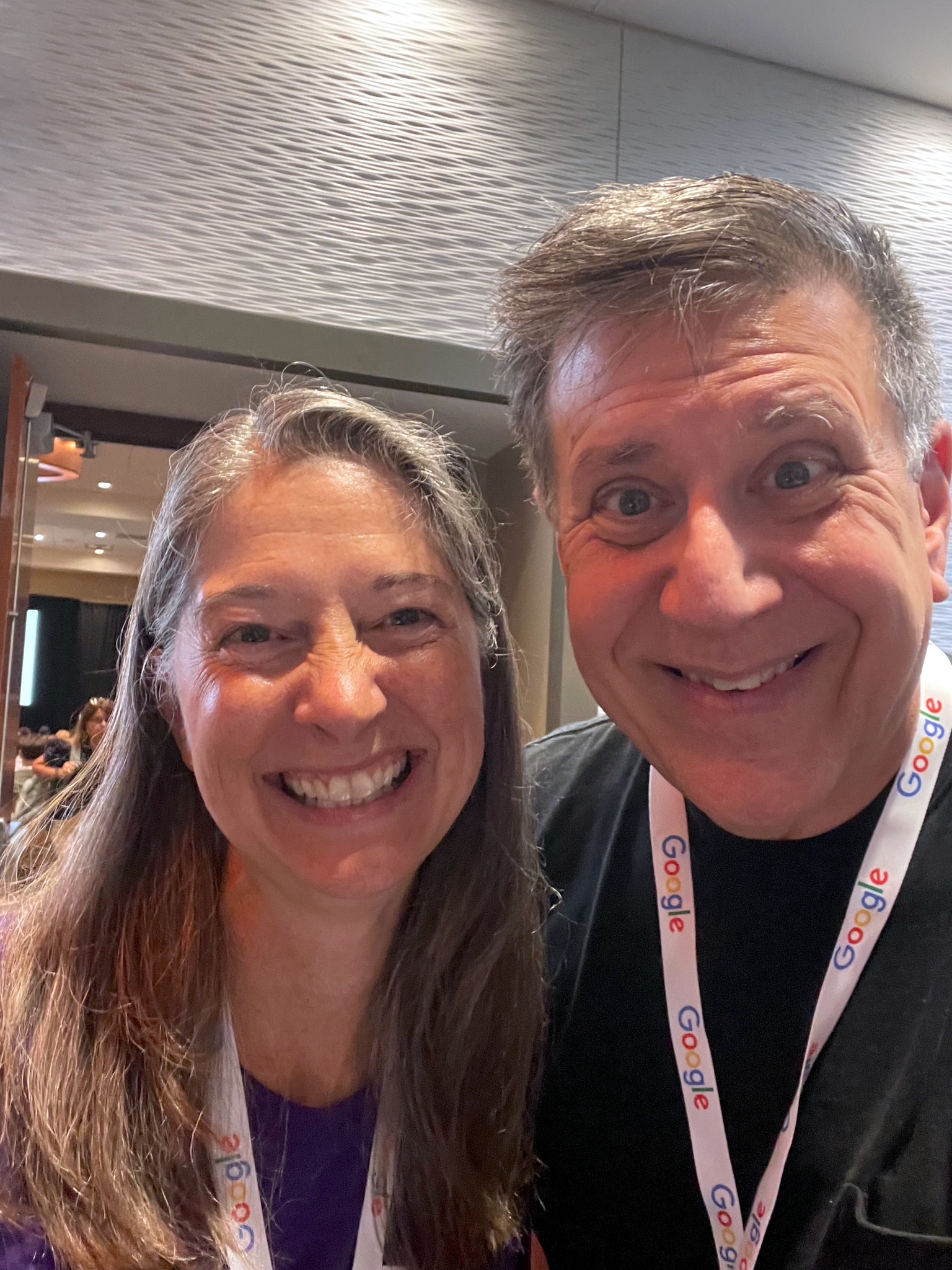
Also with a booth was Flox, one of my favorite new companies. While I’ve been lucky enough to meet a lot of people there, it was my first time meeting Robin Brantley. Her job is to implement projects to help customers make the most from Nix. Nix is a game changer, making the operating systems all of our software runs on declarative, which brings both flexibility and stability to production systems.
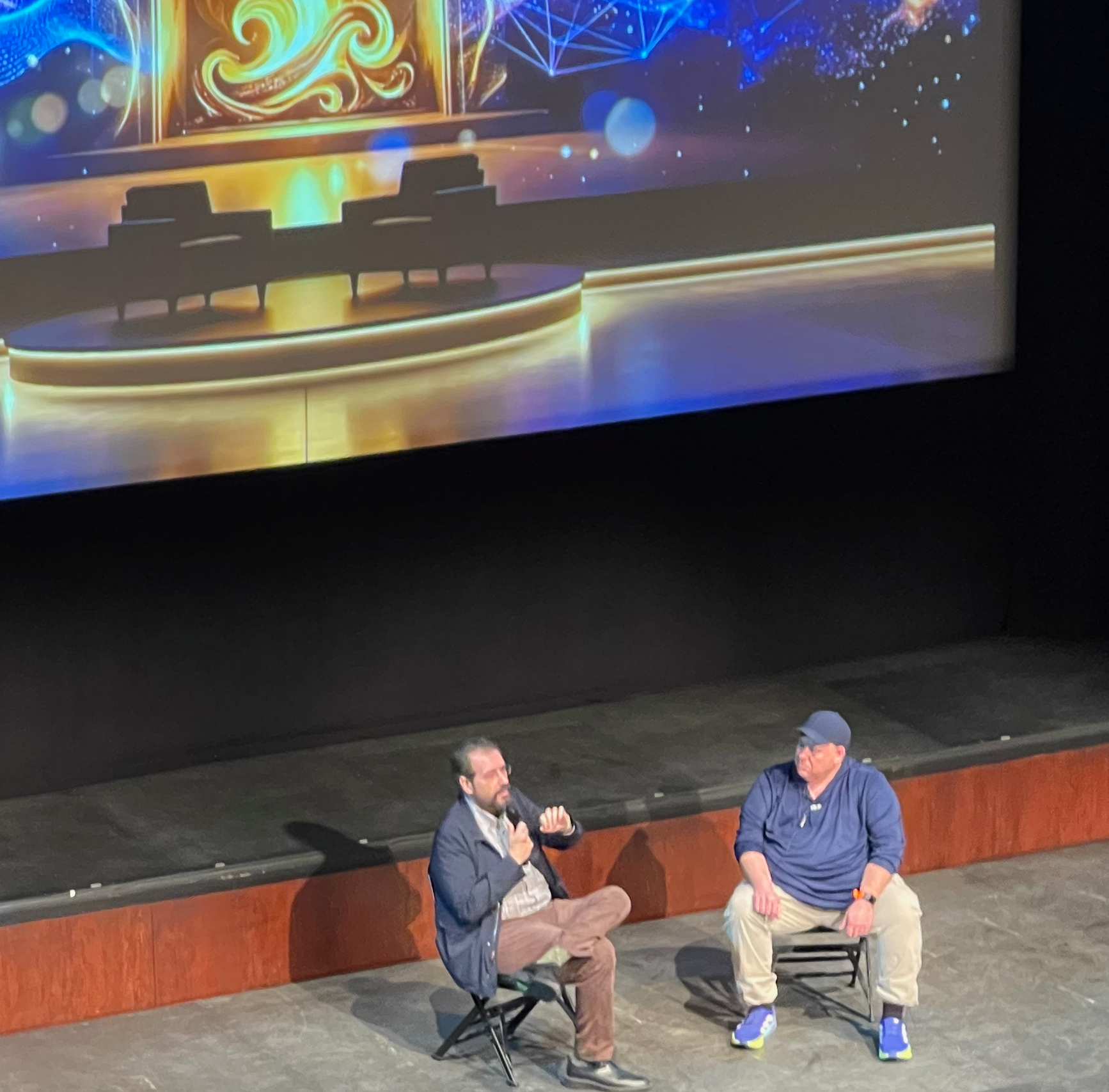
The convention center is right next to the Carolina Theatre, which was a really cool venue for hosting talks. Mark held a fireside chat with Igor Jablokov, the inventor of the AI technology that would help create Alexa. The chat covered the past, present and future of AI.
Tuesday started off with keynotes. The keynotes actually started a bit late because there were still a thousand people trying to get into the venue. By the end of the keynotes the ballroom held 1500 people with all seats full and people standing around the edges.
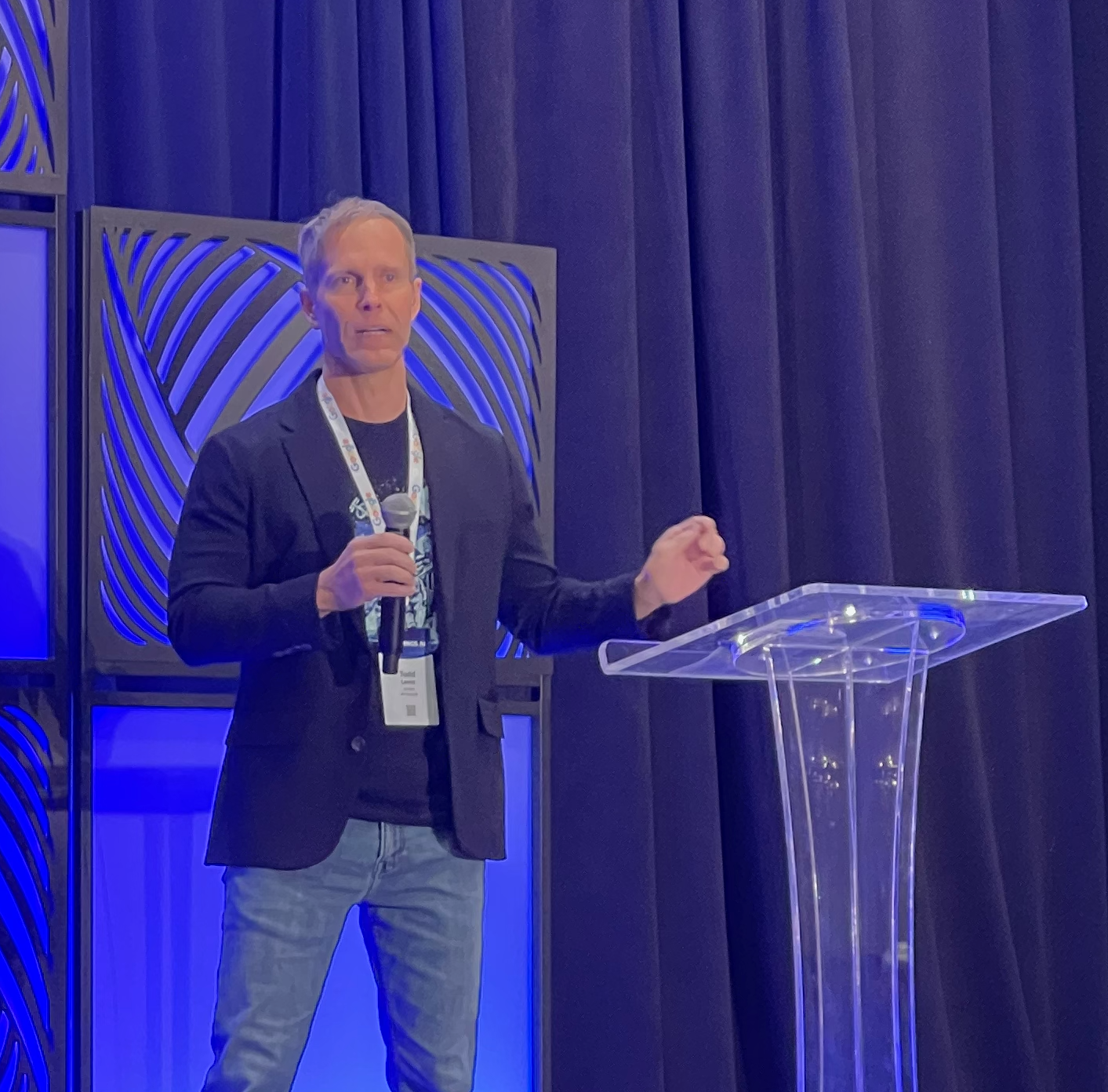
Todd kicked us off with an introduction, which was followed by Mark. Mark talked about what he loves about AI as well as what he loves about being a North Carolinian.
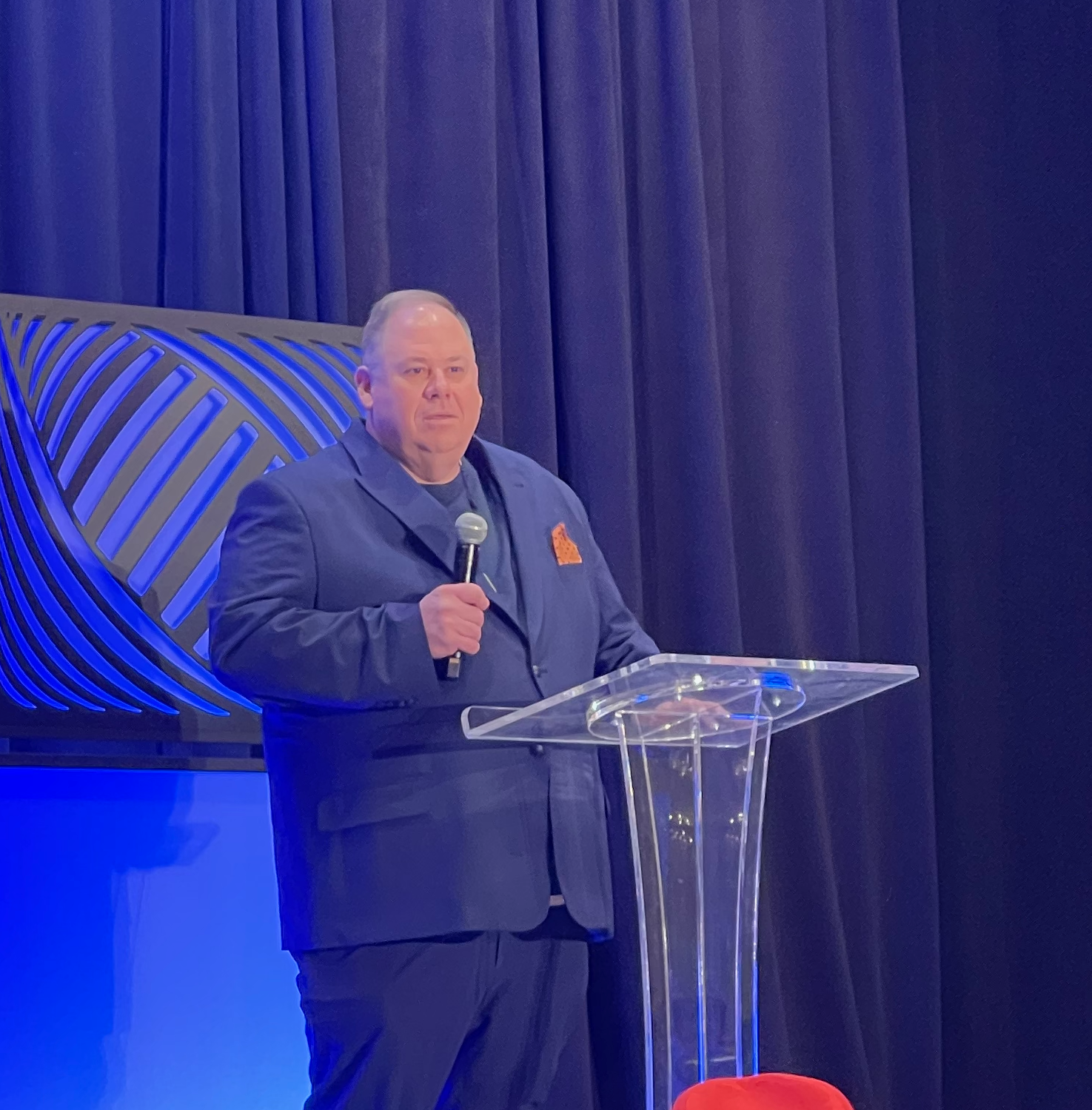
While there is a concentration of people along the I-85/I-40 corridor, the state is still very rural. Mark views AI as a great way for people in those areas to participate in the tech sector through “upskilling”, and I agree (I’m writing this while watching the wind whip trees around on my farm, which is ten miles from the nearest gas station, but I have access to gigabit fiber).
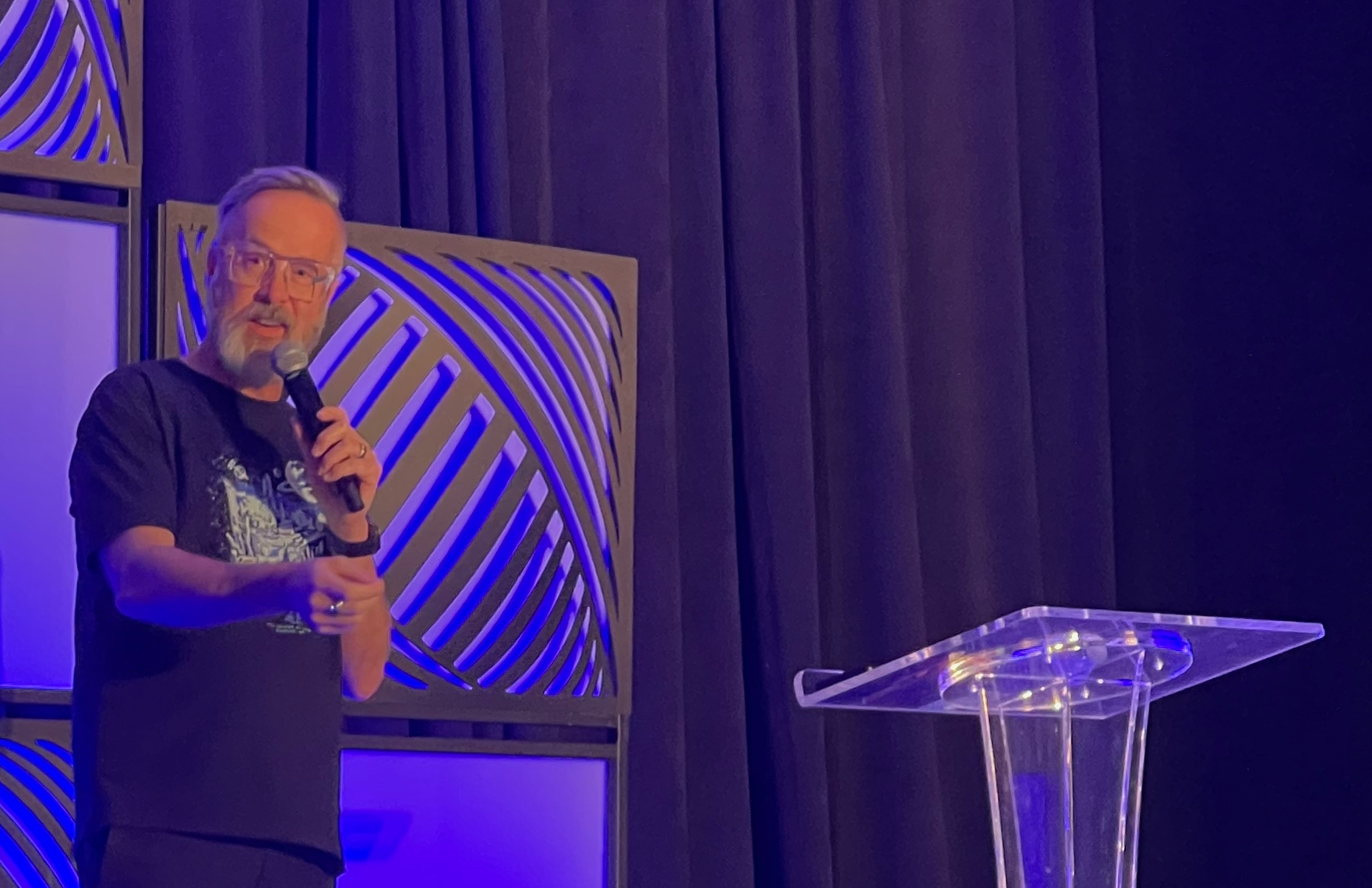
Mark was followed by whurley. Just in case you are one of the few people who don’t know William Hurley, he is a force of nature. A true serial entrepreneur, he is currently working in the quantum computing space via his company Strangeworks.
You may ask what quantum has to do with AI, and the answer has to do with coding. Writing code for a quantum computer is much more different than writing code for a digital computer. How do you deal with a system with varying state? How do you process answers from a system where errors are built in to the technology? While it is doubtful that AI would ever take the place of human quantum developers, it will give them the tools to come up to speed and be productive much faster.
Ever the showman, whurley ended his presentation by turning the stage over Sophon, a digital assistant he created on the flight from Austin. In two and a half hours over airplane WiFi, the system he made was able to autonomously craft a five minute session complete with slides.
At one point Sophon, whose tasks include triaging whurley’s e-mail, started reading the latest ones he had received, and you could here him say “No” when it started.
Unfortunately it was pretty boring, something about a new Southwest Airline offer versus, say, a note that his OnlyFans revenue had been posted.
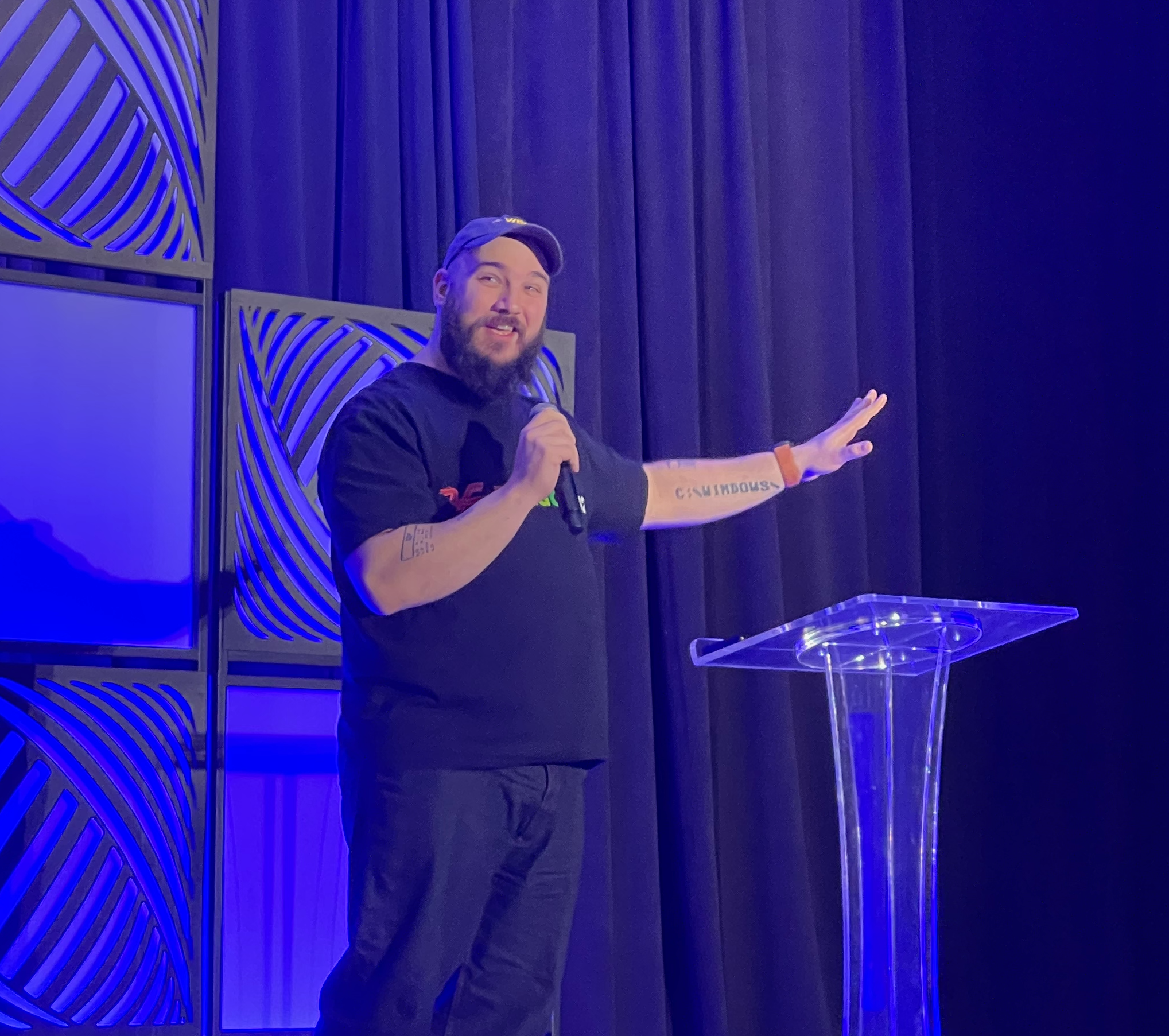
While a tough act to follow, my teammate and friend Darko Mesaroš continued the agent theme with examples of Strands, an open source agent SDK, and with a discussion of AgentCore, a way to build and manage agents in the cloud.
I mentioned MC Frontalot above, who created a style of rap music called “nerdcore”, and whenever I hear “agentcore” I keep thinking it is rap music created by AI (and, no, I do not think that it is a good idea, it is just where my brain goes).
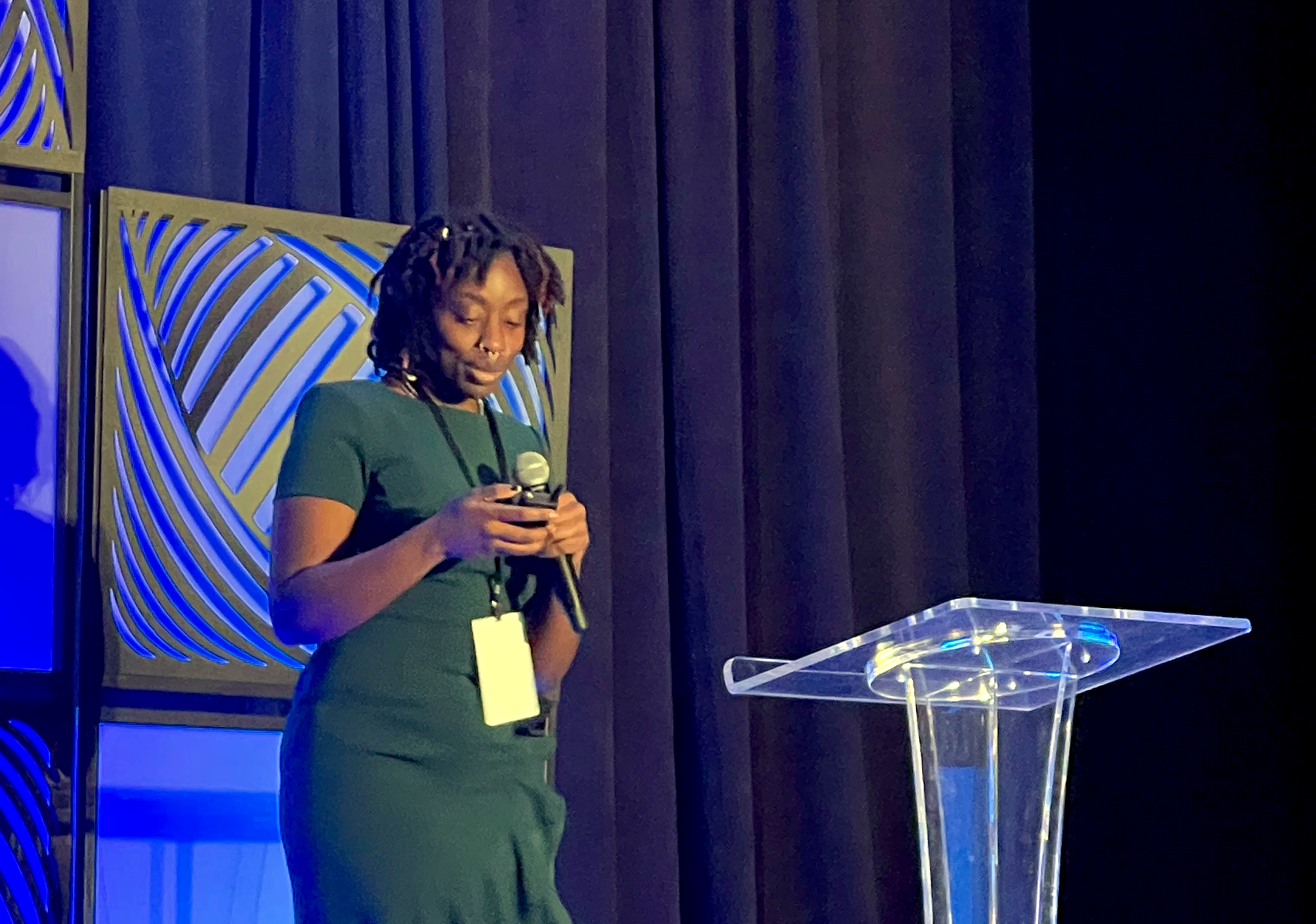
Yassah Reed gave the next talk, which focused on AI in healthcare, both the good and the bad.
Two of the systems she mentioned, Narx and TREWS, couldn’t be more different.
NarxCare is a system that uses AI and Machine Learning to track opioid use in the US, and a patient’s “NarxScore” can determine whether or not a patient gets pain medication. The issue is that there is a lot of algorithmic bias which can result in a patient being denied care if their score is too high. Yassah talked about how care providers are penalized if they give narcotics to patients “in the red” even if they believe the person is not drug seeking.
Contrast this with TREWS (Targeted Real-time Early Warning System) which uses AI and ML to detect sepsis. Sepsis is a leading cause of death in the US, and early treatment is imperative. TREWS was shown to identify patients with a median of 28.2 hours before onset of symptoms, saving lives.
I loved this talk, as it demonstrated that AI can both help and harm, and it is up to us to make sure that humanity is kept in in focus for these systems, and to move the needle toward “beneficial” vs. “harmful”.
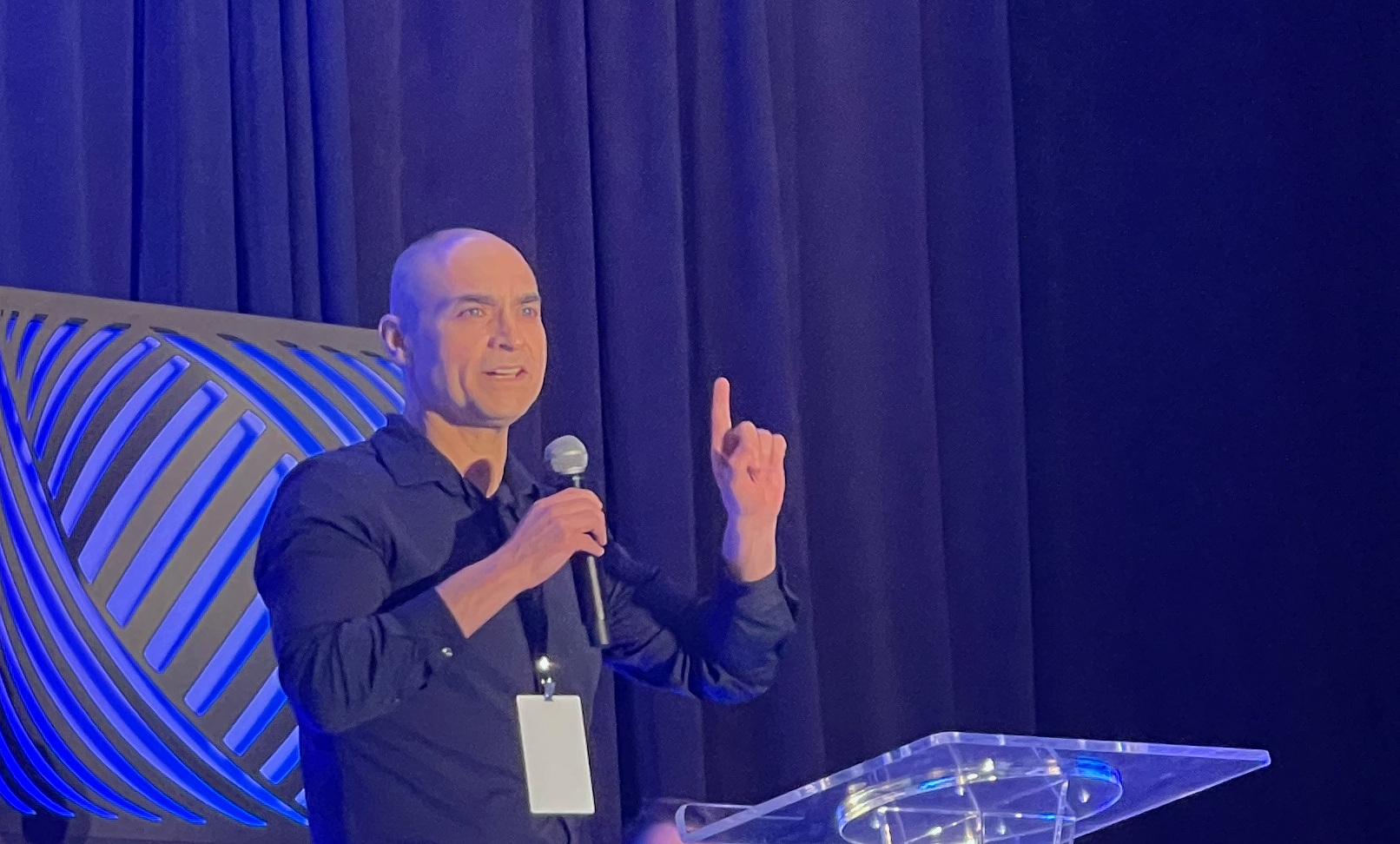
The final keynote was giving by Luis Lastras. I got to talk with him briefly on Monday in the Sponsor/Speaker lounge and was eager to hear his presentation.
One of the things I like most about Linux is the “pipe” command. This allows a user to take the output from one program and feed it as the input to another. This idea of modularity has been a fundamental principle in engineering for some time, and Luis wants to make these concepts core to our implementation of AI, versus relying on huge, monolithic systems.
After the talks I went back to the AWS booth and this was the scene in the hallway.
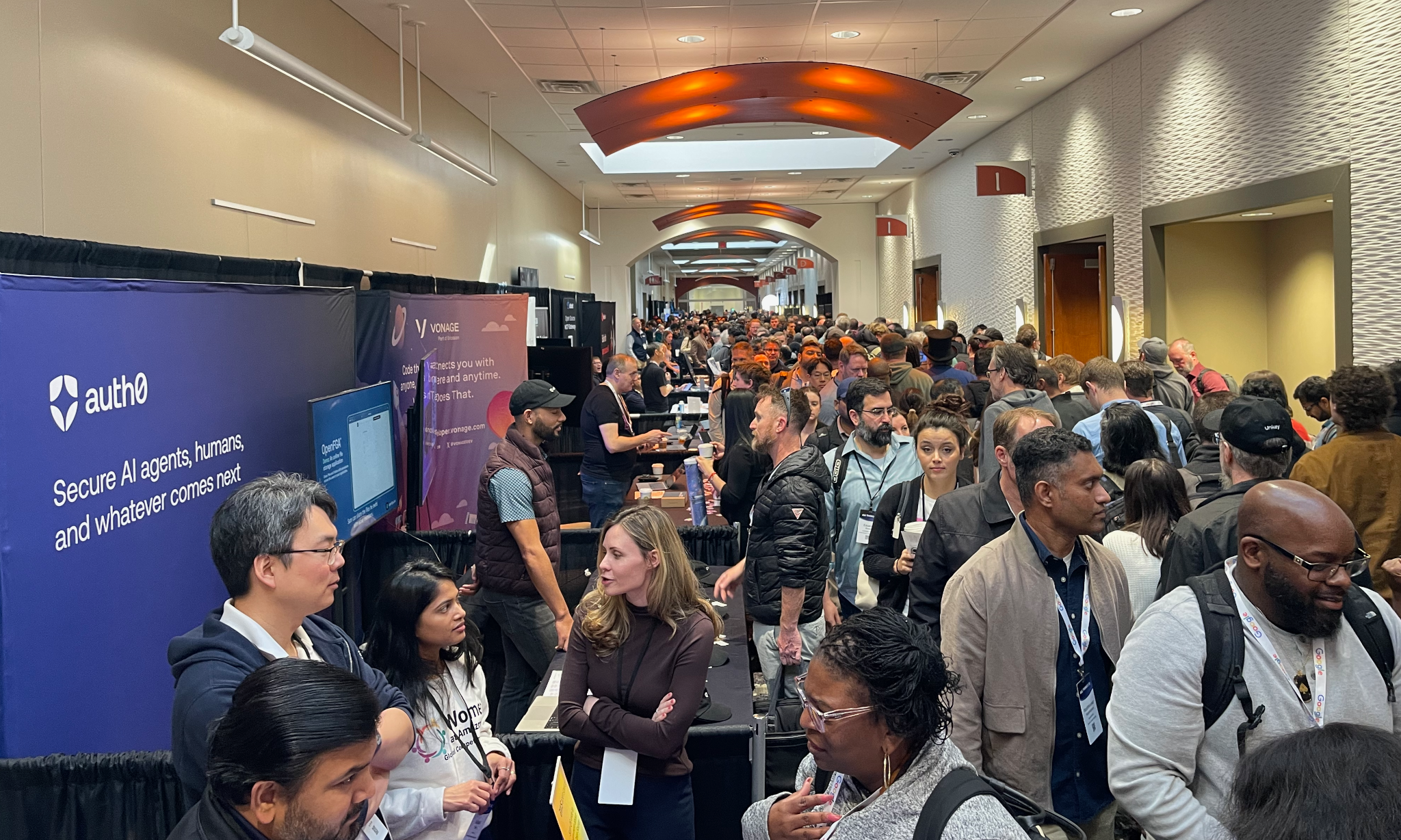
Crazy. It was almost as bad as FOSDEM.
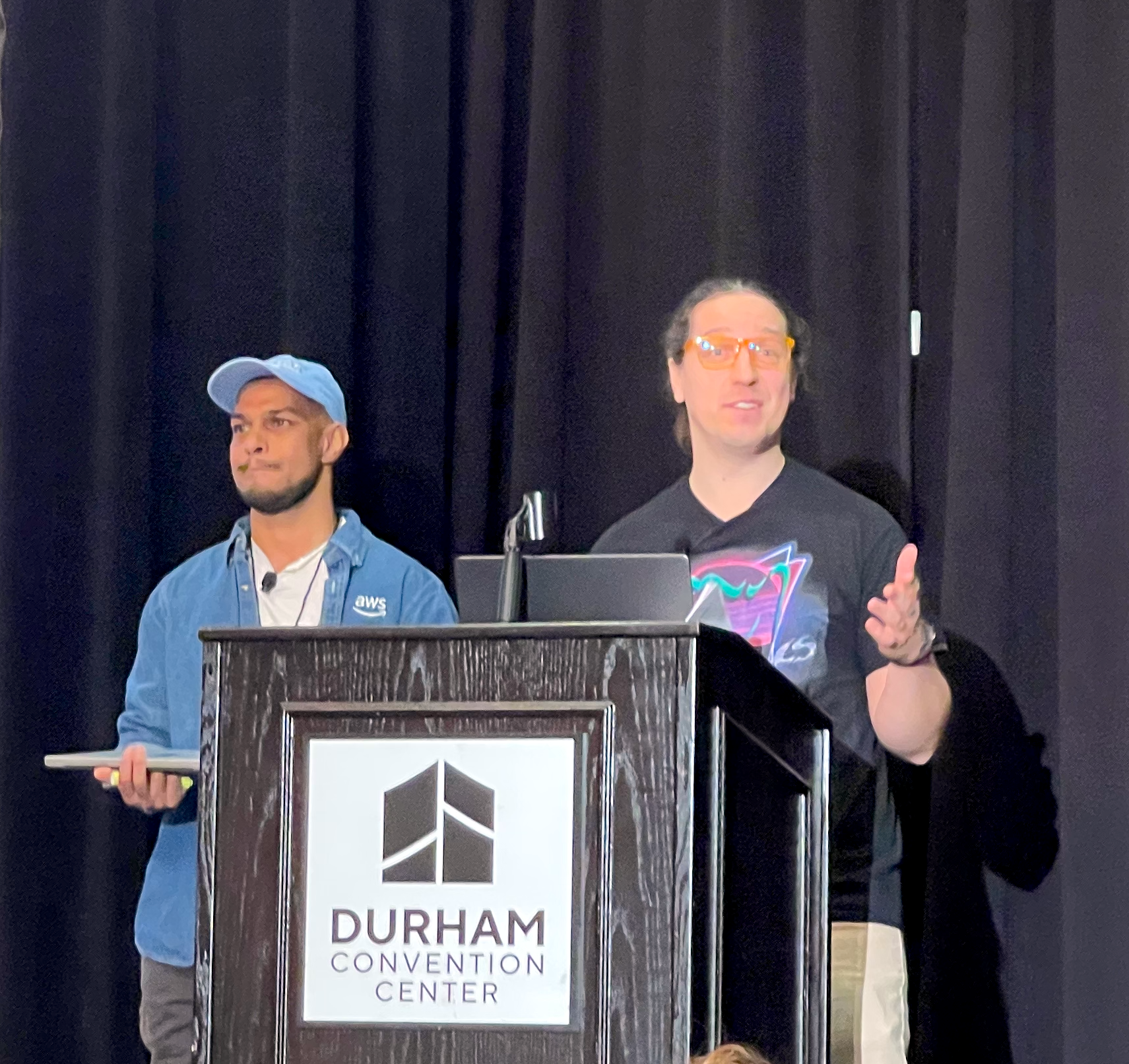
After lunch I went to a workshop given by Rob Dahal and Jonathan Vogel, both on the DevRel team at AWS.
This was a workshop, i.e. hands on, and they got to have the “fun” that comes along with trying to get hundreds of people online over conference WiFi. Despite the technical issues, it was well received and the room was very full.
I spent the rest of my time at the conference in our booth. I love working the booth at the “All Things” events because I can run into people I know and people who know the people I know.
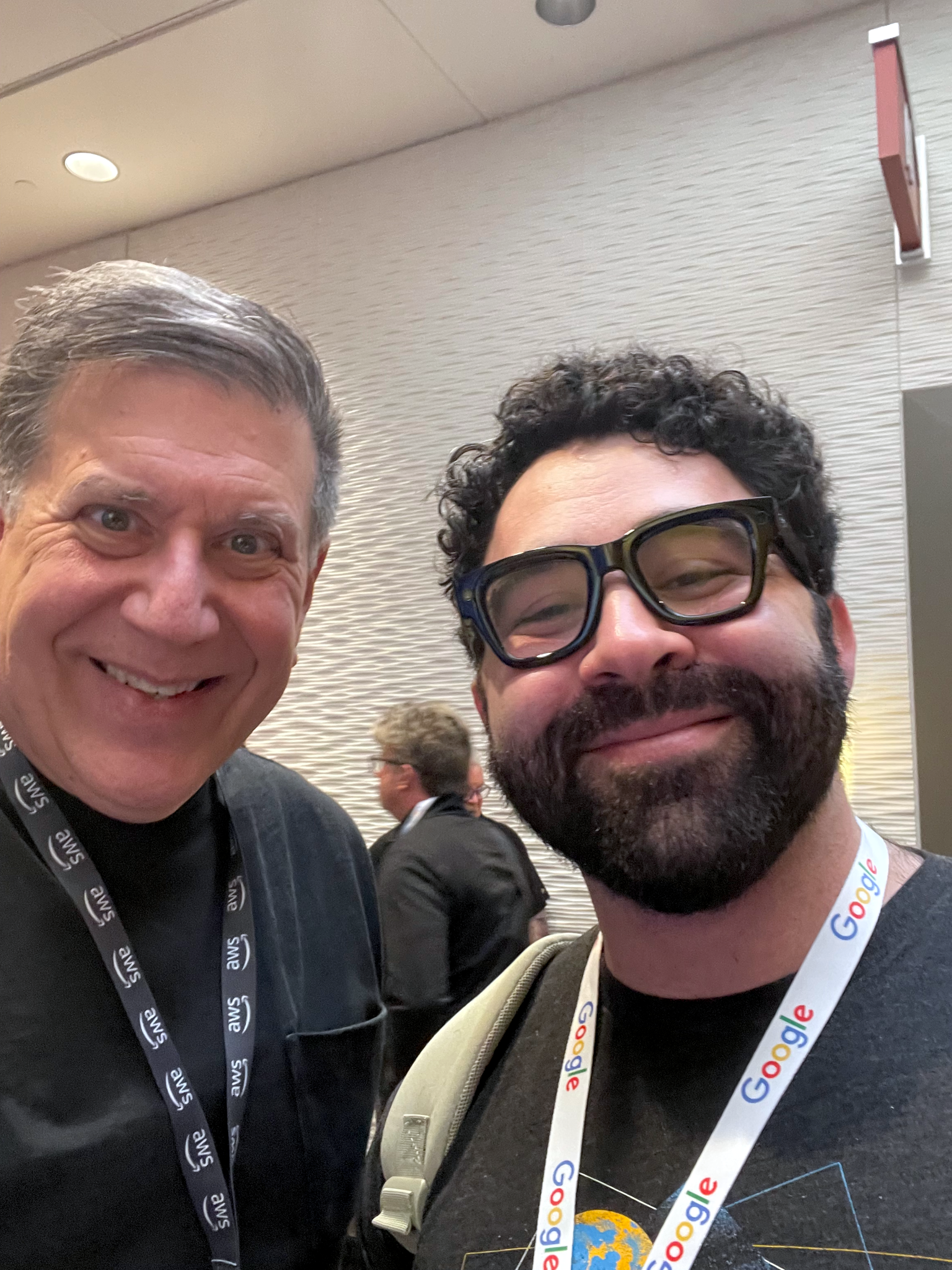
I met Arda Cole who works at NetApp. While a lot of people in the area work there, I took a shot and asked if he knew of my friend Alejandro. Turns out they used to work on the same team.
Small world.
The dates for next year’s event are set: 22-23 March 2027. Still at the convention center in Durham, and they may have to start turning people away or it will become even more like FOSDEM.
I hope to see you there.